Tired of Budgeting Headaches? There’s a Simpler Way!
Budgeting often feels like a chore: complex spreadsheets and guilt. This overwhelms many, leading them to give up. But a simpler method exists to control your finances without deprivation. The 50/30/20 budgeting rule helps beginners manage money easily, reducing stress. This guide shows you how to control cash, achieve financial goals, and still enjoy life.
How to Use the 50/30/20 Budgeting Rule in 2026
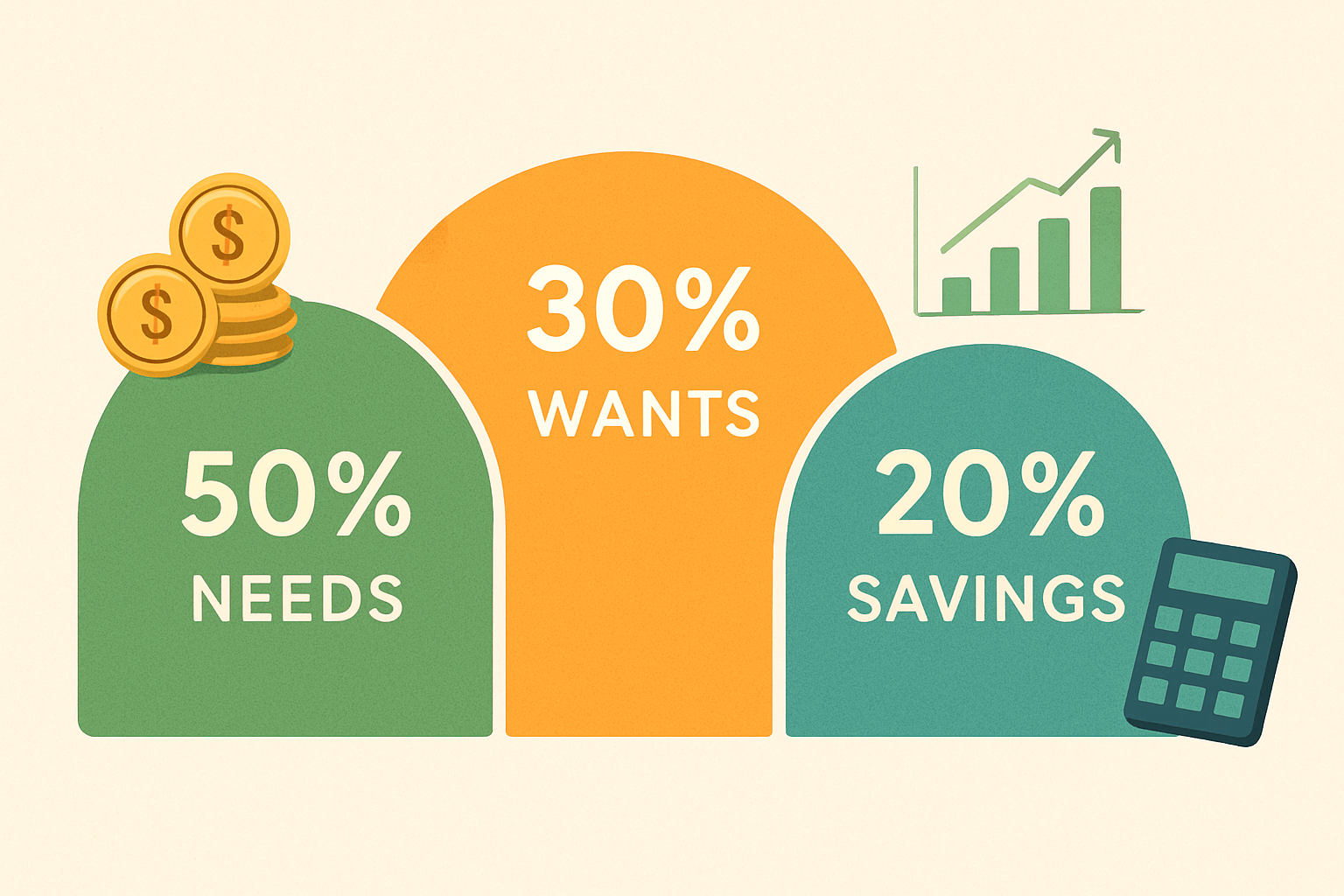
The 50/30/20 rule is a straightforward guideline for allocating your after-tax income—the money you actually take home. You divide this income into three categories: 50% for Needs, 30% for Wants, and 20% for Savings & Debt Repayment. Understanding each is key.
1. 50% for Needs: Your Essential Expenses
Needs are non-negotiable expenses vital for survival and basic well-being. These keep a roof over your head and food on your table. Examples include:
- Housing: Rent or mortgage payments, often your largest expense.
- Utilities: Electricity, gas, water, internet—necessary for a functional home.
- Groceries: Basic food items, not dining out.
- Transportation: Costs for work or essential appointments (car payments, fuel, public transport).
- Insurance: Health, life, and other essential coverage.
- Minimum Loan Payments: Minimums on student, car, or other debts. Extra payments go to ‘savings & debt’.
If needs exceed 50%, re-evaluate. Consider more affordable living or reducing utility use. Make conscious choices to align spending with the 50% guideline.
2. 30% for Wants: Enhancing Your Quality of Life
Wants improve your life but aren’t essential. This category lets you enjoy your labor. Balance is key enjoy money responsibly. Examples:
- Dining Out: Restaurant meals, cafes, takeout.
- Entertainment: Movies, concerts, games, leisure activities.
- Subscriptions: Streaming (Netflix, Spotify), gym memberships.
- Hobbies: Costs for passions like art supplies or sports equipment.
- Vacations and Travel: Trips and related expenses.
- New Clothes: Beyond basic clothing.
- Luxury Items: High-end gadgets or designer goods.
This 30% prevents burnout and ensures a balanced financial life. It allows flexibility, making your budget sustainable. If you overspend here, it’s the first place to adjust.
3. 20% for Savings & Debt Repayment: Building Your Financial Future
This critical category builds financial security. It grows wealth and reduces liabilities. This 20% is your ticket to financial freedom. Key components:
- Emergency Fund: 3-6 months of living expenses in a high-yield savings account.
- Retirement Accounts: Contributions to 401(k)s or IRAs. Start early for compound interest.
- Investments: Money for stocks, bonds, or mutual funds.
- Extra Debt Payments: Payments on high-interest debt (credit cards) exceeding minimums.
Prioritizing this 20% ensures active work towards financial independence. Automate transfers each payday for effortless contributions to your future.

Why This 50/30/20 Rule Rocks for Beginners
Many traditional budgeting methods are restrictive. The 50/30/20 rule stands out for its simplicity and flexibility. Here’s why it’s effective:
- Easy to Understand: Three categories, three percentages. No complex calculations.
- Flexible and Adaptable: A framework, not rigid. Freedom to define ‘wants’ allows personal preferences.
- Focuses on Goals, Not Deprivation: Encourages responsible spending on wants, preventing constant deprivation.
- Reduces Financial Stress: Knowing where money goes reduces anxiety. Empowers informed spending decisions.
- Promotes Financial Awareness: Categorizing expenses deepens understanding of spending habits.
Ready to get started? The journey to financial freedom begins with a single step.
Step-by-Step Examples of the 50/30/20 Budgeting Rule
Let’s explore case studies with different income levels. These show how dollar amounts adjust while percentages remain constant.
Case Study 1: Sarah – The Entry-Level Professional
Sarah brings home $3,000 after taxes. She wants to manage money and save for a car down payment. Her budget:
| Category | Percentage | Monthly Amount | Explanation |
| Needs | 50% | $1,500 | Rent, utilities, groceries, transport. |
| Wants | 30% | $900 | Dining out, streaming, social events. |
| Savings & Debt | 20% | $600 | Car down payment, emergency savings. |
| Total | 100% | $3,000 | Clear plan, reduced stress. |
Case Study 2: John – The Mid-Career Professional
John earns $4,000 after taxes. He focuses on aggressive student loan repayment. The 50/30/20 rule helps:
| Category | Percentage | Monthly Amount | Explanation |
| Needs | 50% | $2,000 | Mortgage, utilities, family groceries. |
| Wants | 30% | $1,200 | Family outings, subscriptions, hobbies. |
| Savings & Debt | 20% | $800 | Student loan repayment, 401(k). |
| Total | 100% | $4,000 | Balances lifestyle and security. |
Case Study 3: Emily – The Budget-Conscious Student
Emily works part-time, bringing home $2,500 after taxes. She needs to cover living expenses and save for tuition:
| Category | Percentage | Monthly Amount | Explanation |
| Needs | 50% | $1,250 | Shared rent, basic groceries, bus pass. |
| Wants | 30% | $750 | Occasional dining out, movie nights. |
| Savings & Debt | 20% | $500 | Tuition fund, emergency buffer. |
| Total | 100% | $2,500 | Manages limited income for education. |
These examples show the adaptability of the 50/30/20 rule. Regardless of income, the core principle remains, allowing you to tailor your budget.
Best Tools for Beginners: 50/30/20 Budgeting
Effective budgeting benefits from the right tools. Here are our top picks for 2026 to track spending and stay on goal:
Digital Budget Apps (Mint, YNAB)
For those who prefer automation, digital apps like Mint and YNAB offer convenient features. They sync with your bank accounts. These apps track your spending in real time. They offer charts, reports, and automated tracking to help you stick to your 50/30/20 budget effortlessly. The main drawbacks are a subscription fee and a short learning curve to get fully comfortable with all features.
- Price: $4.99/month
- Best For: Tech-savvy beginners or busy individuals
Using a tool like the Simple Budget Planner is an excellent starting point to track your 50/30/20 budget effectively.
Frequently Asked Questions (FAQ) about 50/30/20 Budgeting
As you begin your journey, common questions arise. Here are answers for beginners:
Q: What counts as a “need,” “want,” or “savings”?
A: Needs are essential survival costs: housing, utilities, groceries, transport. Wants are lifestyle choices: dining out, entertainment, hobbies. Savings include emergency funds, retirement, and extra debt payments.
Q: Can I adjust percentages if my expenses don’t fit?
A: Yes! It’s a guideline. If needs are 60%, adjust wants to 20% to maintain 20% savings. The key is making it work for your situation while striving for that 20% for your future.
Q: Is the 50/30/20 rule good for debt repayment?
A: Yes, excellent for high-interest debts. Allocating 20% to savings and debt lets you make extra payments, paying off debt faster and saving interest.
Q: Can I combine this rule with extra income?
A: Absolutely! Strategically allocate extra income directly towards savings or aggressive debt repayment to boost your progress.
Tips for Success with the 50/30/20 Budgeting Rule in 2026
Implementing any new strategy requires discipline. Here are updated tips for 2026:
- Know Your Real Income: Budget with after-tax income—the actual amount in your bank.
- Be Honest About Needs vs. Wants: Is that daily gourmet coffee a need? Likely a want! If needs exceed 50%, evaluate where to cut back.
- Automate Your Savings: Make saving effortless. Automatically move 20% from checking to savings or debt accounts each payday. Consider using popular apps like Mint or YNAB for seamless automation.
- Track Spending for One Month: Initially, tracking your spending provides invaluable insight. It helps you see exactly where your money is going, allowing you to identify areas for adjustment.
- Flexibility is Key: Life happens! Some months you might spend more on wants. The goal is progress, not perfection. Always aim for that 20% savings/debt repayment.
- Don’t Forget Debt Repayment: If you have high-interest debt, consider allocating a larger portion of your 20% to paying it down aggressively. This improves your overall financial health.
Final Thoughts on 50/30/20 Budgeting
The 50/30/20 rule is more than just a budget; it’s a mindset shift towards proactive money management. It empowers you to make conscious choices, reduce financial stress, and work towards your goals. By providing a clear framework, it helps you find balance and build a secure relationship with your finances. Your future self will thank you for starting today.
References
[1]: https://www.investopedia.com/ask/answers/022916/what-502030-budget-rule.asp “Investopedia. (2026). The 50/30/20 Budget Rule Explained With Examples. Retrieved from”
[2]: https://www.citizensbank.com/learning/50-30-20-budget.aspx “Citizens Bank. (2026 ). What is the 50/30/20 Budget Rule, and Is it Right for You?. Retrieved from”
[3]: https://www.unfcu.org/financial-wellness/50-30-20-rule/ “UNFCU. (2026 ). Budgeting basics: The 50-30-20 rule. Retrieved from”
Leave a Reply