Also published on Medium
Introduction
Saving money on groceries is a goal for many households, especially with rising costs. This week, you can make a significant impact on your grocery budget by implementing a few smart shopping strategies. This listicle will guide you through 7 simple ways to save money on groceries without sacrificing quality or nutrition. By adopting these tips, you will be well on your way to enjoying cheap groceries and a healthier financial outlook.
1. Master Weekly Meal Planning
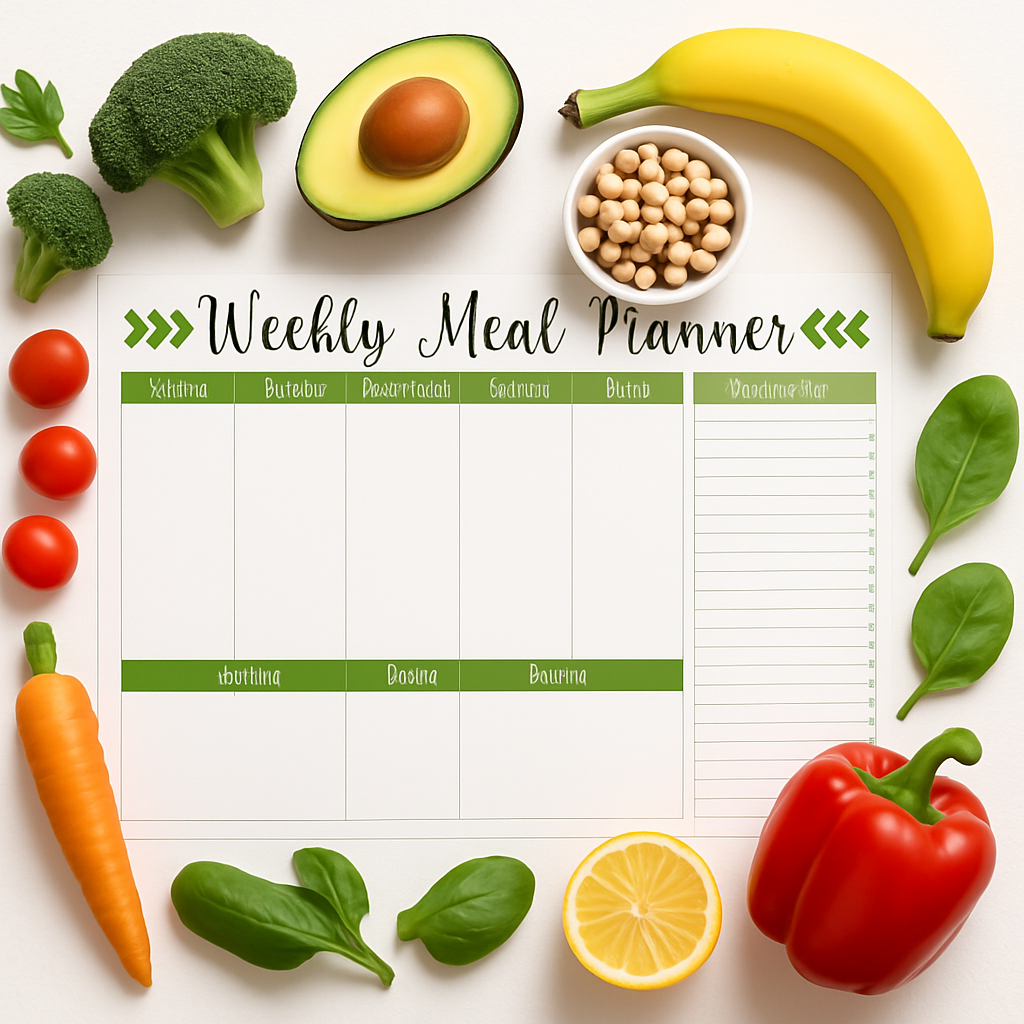
One of the most effective ways to save money on groceries is through diligent weekly meal planning. Before you even step foot in the store, plan out all your meals for the upcoming week. This includes breakfast, lunch, dinner, and even snacks. A clear plan reduces impulse purchases and ensures you only buy what you need. Focus on using ingredients that can be repurposed for multiple meals to minimize waste and maximize savings. For example, a roasted chicken can provide meat for dinner, sandwiches for lunch, and even a base for soup later in the week.

2. Embrace Couponing and Loyalty Programs
Couponing might seem old-fashioned, but it is still a powerful tool for finding cheap groceries. Look for digital coupons through your grocery store’s app or website, and do not forget to check physical flyers. Combine coupons with sales for maximum savings. Additionally, sign up for your grocery store’s loyalty program. These programs often offer exclusive discounts, personalized coupons, and rewards points that can be redeemed for future savings. Many stores also have cash-back programs or fuel point systems that can further reduce your overall expenses.

3. Shop with a List and Stick to It
Creating a detailed shopping list and adhering to it strictly is crucial for maintaining your grocery budget. Before you head to the store, check your pantry and refrigerator to see what you already have. Then, based on your weekly meal planning, write down every item you need. Organize your list by aisle to make your shopping trip more efficient and prevent you from wandering into tempting, unneeded sections. Avoid shopping when you are hungry, as this often leads to impulse buys and deviations from your list. Think of your list as your financial guardian in the grocery store.

4. Buy Generic or Store Brands
Do not be a brand snob when it comes to cheap groceries. Often, generic or store-brand products are just as good as their name-brand counterparts, but at a fraction of the cost. Many store brands are produced by the same manufacturers as national brands, just with different packaging. Give them a try! You might be surprised by the quality and the significant savings you will achieve. This is a simple yet highly effective way to reduce your overall grocery budget without compromising on taste or quality

5. Utilize Sales and Stock Up Wisely
Keeping an eye on weekly sales flyers is a cornerstone of smart shopping. Plan your meals around what is on sale, especially for non-perishable items or ingredients you use frequently. When you find a good deal on staples like pasta, canned goods, or frozen vegetables, stock up! Buying in bulk when items are on sale can lead to substantial long-term savings. However, be mindful of expiration dates and storage space to avoid waste. This strategy is particularly effective for items that have a long shelf life, helping you to consistently achieve cheap groceries.
6. Reduce Food Waste
One of the biggest drains on your grocery budget is food waste. In the United States, food waste is estimated at between 30-40 percent of the food supply. To combat this, be mindful of portion sizes when cooking, store leftovers properly, and get creative with ingredients that are nearing their expiration date. For example, overripe fruits can be used in smoothies or baked goods, and wilting vegetables can be added to soups or stir-fries. Understanding proper food storage techniques can also extend the life of your produce and other perishables, contributing to smart shopping habits.

7. Cook More at Home
Eating out, even occasionally, can quickly deplete your grocery budget. By committing to cooking more meals at home, you gain greater control over your ingredients and portion sizes, leading to significant savings. Even simple meals prepared at home are almost always cheaper than their restaurant equivalents. This ties back to weekly meal planning; the more you plan and cook at home, the less tempted you will be to rely on expensive takeout or restaurant meals. Cooking at home is not only a way to find cheap groceries but also a healthier lifestyle choice.

Conclusion
Saving money on groceries does not have to be a daunting task. By implementing these 7 simple ways to save money on groceries this week, you can take control of your grocery budget and enjoy the benefits of cheap groceries. From weekly meal planning and couponing to smart shopping and reducing food waste, each tip contributes to a more efficient and economical approach to feeding yourself and your family. Start today and watch your savings grow!
TL;DR: Quick Tips to Save on Groceries This Week
- Plan Your Meals: Reduce impulse buys and food waste.
- Use Coupons & Loyalty Programs: Maximize discounts and earn rewards.
- Shop with a List: Stick to essentials and avoid distractions.
- Buy Generic Brands: Often as good as name brands, but cheaper.
- Stock Up on Sales: Save long-term on non-perishables.
- Reduce Food Waste: Utilize leftovers and proper storage.
- Cook at Home: Cheaper and healthier than eating out.
Share Your Tips!
What are your favorite ways to save money on groceries? Share your insights in the comments below! We would love to hear from you.
Share This Post
If you found this post helpful, please share it with your friends and family!

Leave a Reply